
Several senior members of US President Donald Trump’s administration have relocated to military housing in Washington, DC, amid growing security concerns, including threats allegedly linked to foreign adversaries.
According to a report by CNN on Friday, around half a dozen Trump administration officials are now living in military residences traditionally reserved for senior military officers and top defence officials.
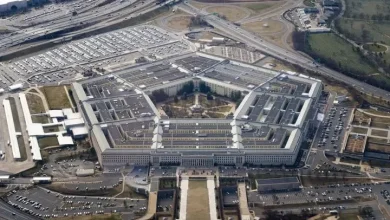
The properties, many of which are more than a century old, are located within heavily secured military compounds with restricted access.
The relocation reflects growing concerns about domestic political violence and threats against senior government officials.
Bessent, Rubio and Hegseth among officials in military housing
US Treasury Secretary Scott Bessent is among the latest officials to move into military accommodation.
Bessent reportedly left his Georgetown mansion for a secure military facility after receiving threats allegedly linked to Iran.
He joins Secretary of State Marco Rubio and Defence Secretary Pete Hegseth, who also live in military residences.
White House Chief of Staff Stephen Miller, his wife, Katie, and their four children have also relocated to military housing.
Miller reportedly moved from his Virginia residence last year following protests outside his home and the circulation of flyers containing his residential address.
US Attorney General Todd Blanche has also recently moved into military accommodation over security concerns, according to people familiar with the matter.
His predecessor, Pam Bondi, similarly lived at a military installation during her tenure last year.
Military accommodation costs more than $4,500 monthly
Although the properties are located within military installations, civilian officials occupying them are required to pay rent.
According to CNN, the monthly rental cost typically exceeds $4,500, depending on the property.
The arrangement dates back to former Defence Secretary Robert Gates, who served under Presidents George W. Bush and Barack Obama.
Gates became the first Pentagon chief to reside in military accommodation under the arrangement.
Former Secretary of State Mike Pompeo, who served during Trump’s first administration, also sought military housing in 2018.
However, the Navy initially described his request as problematic, citing factual, legal, financial and ethical concerns.
An internal Navy memorandum reportedly raised concerns about the possibility of a civilian official displacing a uniformed military officer in an already constrained housing market.
Pompeo eventually moved into military accommodation at Fort Myer, Virginia.
Congressional scrutiny over military housing
The increasing number of civilian political appointees occupying military residences has attracted scrutiny from Democratic lawmakers.
Representative George Whitesides of California secured approval from the House Armed Services Committee for an investigation into the arrangement.
The Pentagon has been directed to submit a report by spring 2027 detailing the political appointees living in military accommodation, the security threats behind their relocations, the legal justification and the rental payments involved.
Whitesides said the investigation was necessary to ensure accountability and establish whether civilian officials were paying appropriate rates for the properties.
The issue has also attracted attention following questions about expenditure on military residences.
Defence Secretary Pete Hegseth faced criticism last year after lawmakers discovered that the Army was preparing to spend $137,297 on repairs and upgrades to his residence at Fort McNair.
Growing separation between officials and ordinary Americans
The relocation of senior government officials into heavily secured military compounds comes amid broader changes to Washington under Trump’s administration.
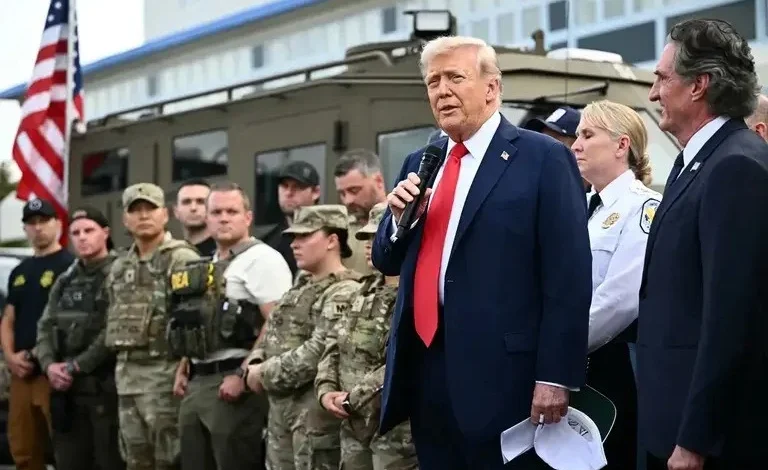
The President has deployed National Guard troops to the capital over public safety concerns, undertaken renovations at the White House and pursued the redevelopment of a public golf course.
However, the increasing reliance on military residences has raised questions about the traditional democratic practice of civilian leaders living among the people they serve.
Experts warn that the trend could continue under future administrations, regardless of political affiliation, as security concerns increasingly influence where senior government officials choose to live.
Thomas Kahn, director of American University’s Center for Congressional and Presidential Studies, said senior officials already lived within a security bubble because of their protection details and restricted movements.
He questioned the implications of their further separation from ordinary neighbourhoods.
The debate now extends beyond personal security to accountability, access to military housing and the relationship between public officials and the communities they govern.