
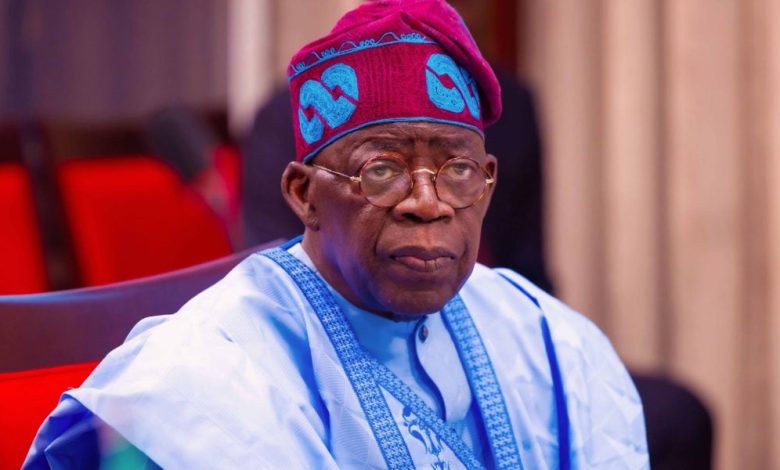
More than 1,000 Islamic clerics have called on President Bola Tinubu to withdraw from the 2027 presidential race, citing worsening economic hardship, insecurity and the rising cost of living across Nigeria.
The clerics made the demand in a communique issued after a meeting held in Kano to assess the state of the nation under the Tinubu administration and discuss the forthcoming 2027 general elections.
The meeting was organised under the theme, “An Assessment of the State of the Nation under President Tinubu and the 2027 General Elections.”
The development comes at a time when political activities ahead of the 2027 elections are gaining momentum, with various political and religious groups taking positions on whether Tinubu should seek another term.
Clerics Criticise Tinubu’s Economic Policies
The clerics, under the aegis of Ko Da Naka… For the Struggle to Promote Good Governance and Community Development and the AFAQ Educational Foundation, said they were dissatisfied with the direction of the country under Tinubu.
They argued that several government policies introduced or implemented since Tinubu assumed office had increased pressure on ordinary Nigerians.
Among the policies they criticised were the removal of the petrol subsidy, the floating of the naira, increases in electricity tariffs and the government’s tax reforms.
According to the group, the policies have contributed to rising living costs and made it increasingly difficult for many Nigerians to meet their basic needs.
They also expressed concern over unemployment and insecurity, which they said were adding to the difficulties facing citizens.
The clerics accused the government of prioritising revenue generation at a time when Nigerians were struggling with economic pressures.
They argued that increasing government revenue should not come at the expense of the welfare of citizens.
Group Opposes Tinubu’s 2027 Re-election
The clerics said the current administration should reconsider its economic approach before asking Nigerians for another mandate.
They warned that unless the government changes what they described as harmful economic policies, they would not support its return to power in 2027.
“Consequently, participants at the conference unanimously agreed that it would be inappropriate to re-elect this government in the forthcoming 2027 general elections if it does not change its harmful economic policies,” the communique stated.
The group called for policies that would directly address the economic difficulties confronting Nigerians rather than measures focused primarily on increasing government revenue.
The position represents another critical voice ahead of the 2027 presidential election, as political parties, interest groups and community organisations increasingly debate the performance of the Tinubu administration.
Islamic Groups Previously Endorsed Tinubu
The call by the clerics is particularly significant because it comes shortly after two prominent Islamic groups endorsed Tinubu and Vice President Kashim Shettima for the 2027 election.
The Jama’atu Izalatil Bid’ah Wa’ikamatis Sunnah (JIBWIS) and the Qadiriyya Sufi sect had expressed support for the president and his deputy.
Their endorsement followed a visit by Senator Abdulaziz Yari, Director General of the All Progressives Congress (APC) Campaign Council, who met with members of the groups.
The contrasting positions highlight the growing debate within religious and community circles over the president’s performance and his bid for another term.
While some groups have backed the Tinubu-Shettima ticket, others are calling for a change of government unless the administration reviews some of its policies.
Economic Hardship Becomes Key 2027 Issue
Economic conditions are expected to remain one of the major issues shaping political debates ahead of the 2027 elections.
The clerics said Nigerians were facing difficulties linked to the cost of living, unemployment and insecurity, arguing that these concerns should be addressed before the administration seeks another mandate.
They particularly questioned the continued implementation of policies that they believe have increased pressure on households.
The group therefore urged the government to review its approach and introduce measures capable of reducing hardship and improving the welfare of Nigerians.
The demand for Tinubu to withdraw from the 2027 race adds to the growing political conversation surrounding the next presidential election.
With different groups already declaring support for or opposition to the president, the debate over Tinubu’s performance, economic reforms and eligibility for another term is likely to intensify as the 2027 elections approach.
For now, the Kano meeting has added another notable position to the increasingly divided political landscape, with more than 1,000 Islamic clerics publicly calling for a change in direction ahead of the next presidential contest.